Wall Street · Urbans Post
Regularly eating peanuts can change the way that the brain region involved in memory formation responds to insulin , according to a small new study that may lead to new nutrition guidelines for those at risk of Alzheimer’s disease. Insulin, best known for regulating blood sugar , also plays an essential role in the brain, helping nerve cells grow, survive, and communicate with one another. This brain process is known to be key to supporting memory formation and other cognitive abilities .
Previous research has also shown that healthy insulin signalling in the brain could protect against processes associated with Alzheimer's disease . "The hormone insulin plays an important role in the brain, where it supports memory and other cognitive processes. As people age, the brain may become less responsive to insulin, which has been linked to age-related cognitive decline ," explained Peter Joris, an author of the new study published in the journal Food & Function .
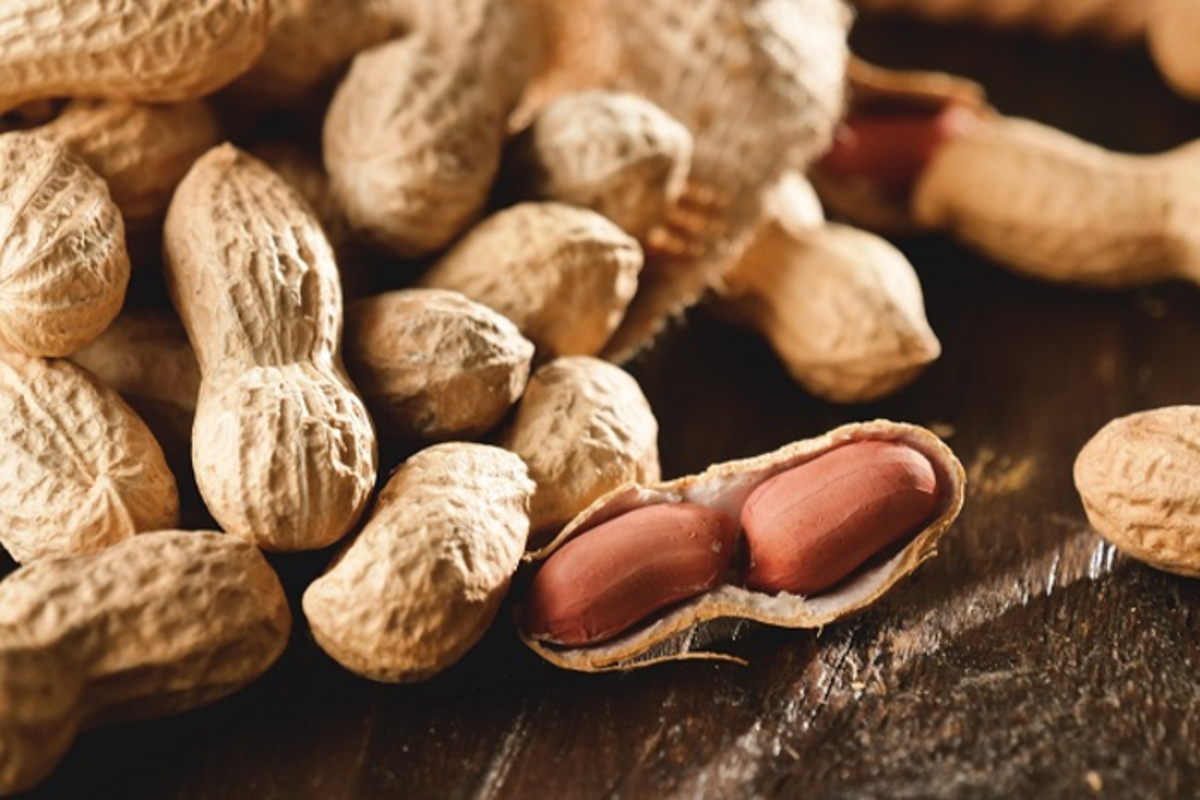
Now, scientists have found that the daily consumption of unsalted, skin-roasted peanuts beneficially affected insulin responsiveness in memory-related brain regions in older adults. In the research, 31 healthy adults between the ages of 60 and 75 ate 60 grams (about two servings) of peanuts each day for 16 weeks. Peanuts found to have potential brain health benefits (University of Barcelona) Peanuts were provided in premeasured packets in skin-roasted form throughout the study period.
Participants could eat their peanuts in the morning or afternoon and choose how to incorporate them into their daily routine, either eating the entire portion at once or dividing it into smaller amounts throughout the day. Then, during a control phase, participants avoided peanuts entirely. Researchers made brain health measurements of the participants using MRI scans and compared them under both dietary approaches.
They found that consuming peanuts for 16 weeks increased overall blood flow in the brain by about 4 per cent and the insulin response in regions involved in memory such as the hippocampus. “These findings suggest that enhanced regional brain insulin responsiveness may contribute to the cognitive benefits of unsalted, skin-roasted peanut intake,” Dr Joris said. Several components of peanuts may be contributing to their observed effects rather than any single nutrient, scientists say.
"Multiple nutrients present in peanuts, including unsaturated fats, dietary fibre, vitamins and minerals and bioactive phytochemicals, could potentially contribute to the observed brain benefits," Dr Joris said. "Peanuts are also a good source of plant-based protein and are especially rich in L-arginine. L-arginine is a key precursor of nitric oxide (NO), which has been reported to facilitate learning and memory performance,” he said.
Overall, the research suggests that the daily consumption of about 60 g of unsalted, skin-roasted peanuts for 16 weeks could be potentially beneficial for brain insulin responsiveness in older adults, scientists say.
Source: The Independent